📈
Study-linked
Evidence Mapped
Sections tied to references below
Research Hub
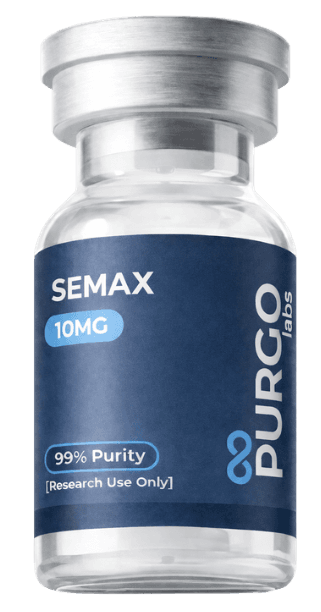
Dedicated research overview for Semax, including mechanisms, applications, amount context, and sources.
📈
Study-linked
Evidence Mapped
Sections tied to references below
✅
Preclinical
Evidence Base
Most findings are non-human
📚
Peer-reviewed
Sources
Journal/registry links included
🛡️
Research-only
Context
Not therapeutic guidance
⏱️
Model-dependent
Timeline
Observed effects vary by model
The science, simplified
Semax has been studied across multiple preclinical pathways involving signaling, cellular stress response, and tissue-level recovery markers.
SIG
Primary
Signaling Modulation
CEL
Supportive
Cellular Response
SYS
System
Functional Outcomes
Key mechanism
Current evidence is mostly preclinical. Reported outcomes are model-dependent and should be interpreted as research context, not therapeutic claims.
Growth pathway
Published studies describe pathway-specific findings, including migration, inflammatory signaling, and recovery metrics in controlled models.
Healing
Recovery and tissue models in controlled studies.
Preclinical sources
Regulation
Pathway and signaling effects in metabolic models.
Research papers
Protection
CNS-linked pathway modulation investigated.
Neuropharmacology literature
Protection
Stability and tissue-protection context studied.
GI-focused journals
Amount data below summarizes how this compound appears in published research settings. It is presented for educational reference only.
Where available
Animal/cell models